

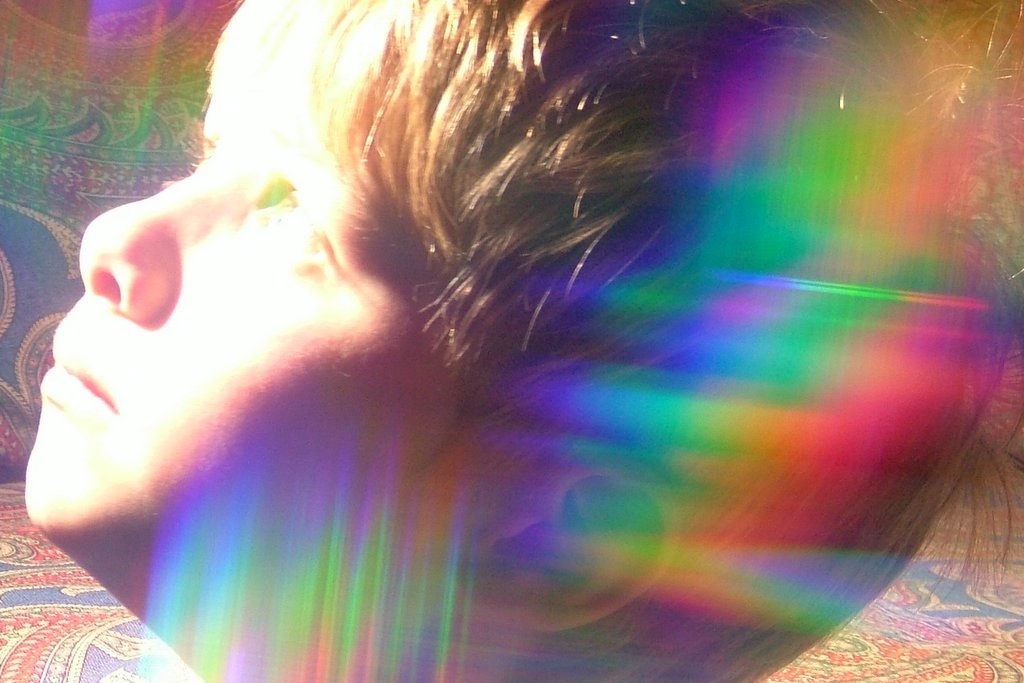
Cover: a face crossed by multicoloured light. The image illustrates the rainbow theme; it is not a photograph or measurement of an aura.
A “rainbow aura” is a spiritual and visual metaphor for an aura described as showing several colours at once. Aura colours are used in some intuitive, New Age and energy-reading traditions, but there is no scientifically validated colour chart that can diagnose a person, prove psychic ability or reveal health and character.
If the image is meaningful to you, use it as a prompt to notice your current mood, needs and relationships. Treat the interpretation as provisional: colour can be affected by lighting, screens, afterimages, expectations and the language supplied by a reader.
Quick guide
- A rainbow aura is a spiritual interpretation, not a medical or psychological finding.
- Multiple colours do not certify healing power, moral character or spiritual rank.
- Ask what you observed, how it was produced and which meaning was added.
- Use colour language for reflection only when it helps and does not replace evidence.
- Choose qualified support for health, safety or mental-health concerns.
What people mean by a rainbow aura
The phrase usually refers to a field, glow or impression containing several distinct colours instead of one dominant colour. Some readers interpret this as flexibility, creativity, emotional complexity or a period of change. These meanings vary by practitioner and tradition; they are not universal facts about the person being described.
The word “aura” can also be used casually for atmosphere or presence. Someone may say that a person has a bright or colourful aura without claiming to see a literal field. Clarifying the intended meaning prevents a metaphor, visual effect and spiritual belief from being treated as the same thing.
Separate observation from interpretation
1. Observation
What was actually seen or felt? Record colours, location, duration and conditions without assigning a trait.
2. Method
Was it an intuitive impression, a photograph, coloured lighting, visualization or a device-generated effect?
3. Meaning
Who supplied the meaning, what tradition was used and what other explanations remain possible?
Common symbolic themes
A reader may associate many colours with variety, transition, integration or competing priorities. Another reader may use a completely different vocabulary. Instead of turning a theme into a verdict, translate it into a question:
- Variety: Which roles or commitments are taking my attention right now?
- Transition: What is changing, and what practical information do I still need?
- Integration: Which values or needs feel difficult to hold together?
- Expression: Where do I want more creativity, play or honest communication?
- Overload: Would fewer tasks, clearer boundaries or rest be more useful than another interpretation?
These are editorial reflection prompts, not fixed meanings for specific colours. You can skip any prompt that does not fit your circumstances.
Claims this symbol cannot establish
A multicoloured aura does not demonstrate that someone is a healer, empath, psychic, spiritually evolved or protected from harm. It cannot show whether a person is trustworthy, compatible, physically healthy or mentally well. It also does not make someone responsible for absorbing, clearing or repairing other people’s emotions.
Descriptions such as “blocked,” “dirty” or “weak” can create shame when they are used as judgments. Feeling angry, tired, stressed, low or unwell has many possible causes. Do not treat an aura label as the cause, a diagnosis or a reason to delay appropriate care.
A grounded reflection practice
- Name the source. Note whether the idea came from your own visualization, another person, a photo or a reading.
- Describe before interpreting. Write one sentence about what you noticed without using personality labels.
- Choose one theme. Select a theme that feels useful rather than trying to make every colour fit.
- Connect it to evidence. Identify a recent event, conversation or need that supports—or contradicts—the theme.
- Take a modest action. Rest, clarify a boundary, make a plan, ask a question or leave the idea undecided.
- Review later. Keep the interpretation only if it helps you respond more clearly and compassionately.
Related perspectives
The mind, body and spirit check-in offers grounded questions for needs and limits without using spiritual labels as health guidance. If sensitivity language is part of the interpretation, the empath reflection guide separates an impression from another person’s account, consent and practical support.
Photography and visual effects
Colour around a person in an image can come from exposure, filters, lens flare, reflected light, motion, white-balance choices or software. A striking image may still be valuable as art, but it should not be presented as proof of an invisible field unless the method and limitations are clearly explained.
If a paid service offers an aura photograph or reading, ask what the equipment records, how colours are assigned, whether the interpretation is standardized, what the total price is and how the image or personal information will be stored. Avoid pressure to buy cleansing, healing or repeat sessions because a colour is described as dangerous.
Health, safety and consent boundaries
Do not use an aura interpretation to diagnose illness, explain persistent distress, choose medication, assess danger or make legal and financial decisions. Seek suitable professional or emergency support for consequential concerns. A spiritual reflection can accompany care, but it cannot replace an evaluation or treatment.
Ask permission before interpreting someone else’s aura, especially a child’s. Do not publish another person’s image, health details or reading without informed consent. A person can decline the interpretation or use different spiritual language.
Key takeaways
- “Rainbow aura” is a variable spiritual symbol for an impression containing several colours.
- Colour meanings differ by reader and do not establish personality, ability or health.
- Separate the observation, method and added interpretation.
- Use modest reflection questions instead of promises or negative labels.
- Respect consent, privacy, evidence and appropriate professional support.
Frequently asked questions
What does a rainbow aura mean?
In some spiritual traditions it means an aura described as containing several colours. Suggested themes vary and may include change, variety or integration, but there is no universal or scientifically validated meaning.
Does a rainbow aura prove someone can heal others?
No. A colour interpretation does not establish healing ability, psychic skill, health knowledge or responsibility for another person’s wellbeing.
Can a photograph confirm a rainbow aura?
A photograph can show colour, but lighting, exposure, filters, reflected light and software can produce that colour. Ask how the image was made and treat it as art or a reflection prompt rather than medical or scientific proof.
What should I do if an aura reading worries me?
Pause before buying a remedy or repeat session. Ask what was observed, what method was used and what practical evidence exists. For health, safety or persistent distress, seek appropriate qualified support.