

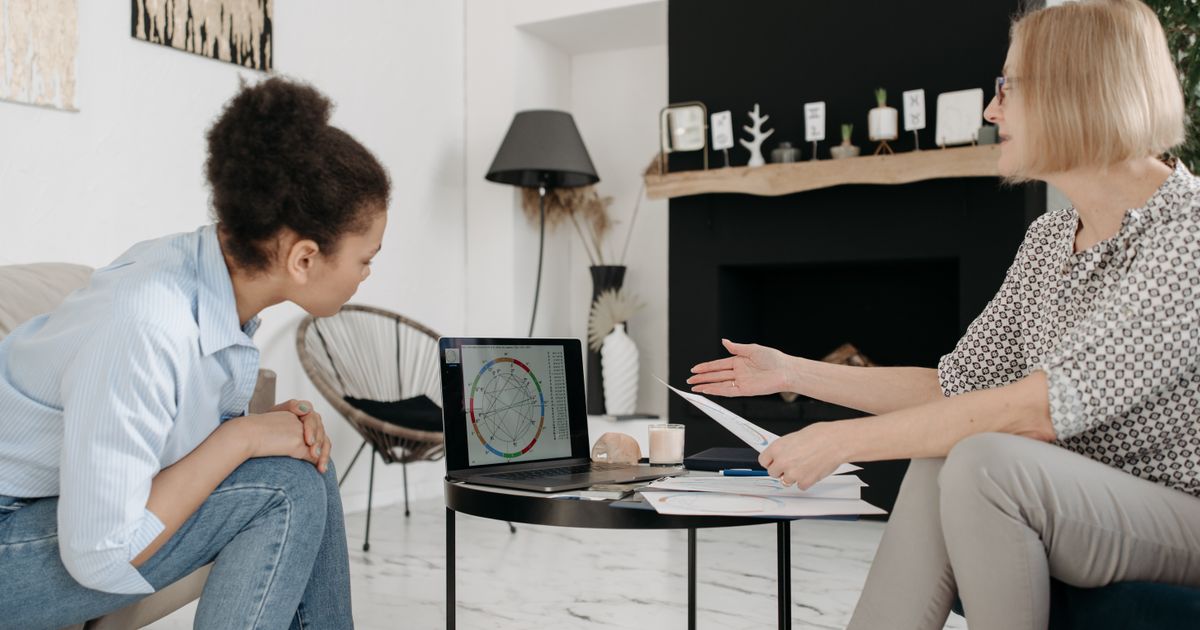
Astrology often describes certain zodiac signs as especially romantic, charming, loyal, or emotionally expressive. Those descriptions can be fun and meaningful as an interpretive framework, but they are not scientific rankings of who is “luckiest” in love.
Instead of assigning unsupported percentages or promising relationship outcomes, this guide looks at five signs that traditional Western astrology commonly connects with attraction and partnership: Taurus, Libra, Virgo, Cancer, and Leo. Real relationships still depend on communication, compatibility, consent, values, timing, and effort.
Quick Guide
- Taurus is traditionally linked with steadiness, affection, and sensuality.
- Libra is associated with partnership, charm, and balance.
- Virgo is often described as attentive, practical, and dependable.
- Cancer is connected with emotional closeness and nurturing.
- Leo is associated with warmth, confidence, and expressive affection.
- No sun sign guarantees romantic success or compatibility.
What “Naturally Attract Love” Means in Astrology
In astrology, attraction is usually discussed symbolically. Venus is associated with affection, pleasure, aesthetics, and relationship style; the Moon with emotional needs; Mars with desire and drive; and the Ascendant with outward style and first impressions. A sun sign is only one part of a birth chart.
That is why a person whose sun sign is not on this list can still be highly affectionate, socially magnetic, or deeply committed. If you want a more complete astrological picture, read our guide to understanding your Moon sign and our explanation of Venus and Mars in attraction.
Love Style at a Glance
Taurus
Steady, affectionate, comfort-focused
Libra
Social, partnership-minded, diplomatic
Virgo
Attentive, practical, service-oriented
Cancer
Nurturing, protective, emotionally tuned-in
Leo
Warm, expressive, generous, confident
These are traditional astrological archetypes, not scientifically established personality traits.
1. Taurus: Steady Affection and Comfort
Taurus is a fixed earth sign traditionally ruled by Venus. Astrologers often associate it with consistency, physical affection, loyalty, pleasure, and creating a comfortable home life. That can make Taurus energy feel reassuring in relationships.
The strength of this archetype is steadiness. Taurus may show care through reliability, practical support, touch, shared routines, and building something that lasts. The shadow side can be stubbornness, resistance to change, or staying in a familiar pattern longer than is healthy.
2. Libra: Partnership, Charm, and Balance
Libra is a cardinal air sign also traditionally ruled by Venus. It is often associated with sociability, diplomacy, aesthetics, fairness, and the desire to create partnership.
Libra’s romantic appeal in astrology comes from making connection itself a priority. Libra energy may be skilled at seeing another person’s perspective and creating a pleasant atmosphere. At its best, this supports cooperation. At its less balanced extreme, it can lead to people-pleasing or avoiding necessary conflict.
3. Virgo: Thoughtful Love in the Details
Virgo is a mutable earth sign ruled by Mercury. It is not always described as the most dramatic romantic sign, but astrology often credits Virgo with attentiveness, consistency, practical care, and noticing details others miss.
Virgo affection may look like remembering what matters to a partner, helping solve a problem, keeping promises, or making daily life easier. The challenge is that high standards can turn into criticism or overanalysis if communication is not handled gently.
4. Cancer: Emotional Connection and Nurturing
Cancer is a cardinal water sign traditionally ruled by the Moon. It is commonly linked with emotional memory, home, family, protection, sensitivity, and the desire to feel secure in close bonds.
Cancer energy may attract people who value emotional availability and a strong sense of belonging. Healthy Cancer-style care includes listening, protecting privacy, and creating emotional safety. The less balanced expression can include withdrawing, becoming overly protective, or expecting a partner to guess unspoken needs.
5. Leo: Warmth, Confidence, and Open Affection
Leo is a fixed fire sign traditionally ruled by the Sun. Astrologers often associate it with confidence, generosity, creativity, loyalty, and visible expressions of affection.
Leo energy can feel magnetic because warmth and enthusiasm are easy to notice. A healthy Leo-style relationship makes room for celebration, appreciation, and play. The challenge is making sure the need to feel valued does not become a demand for constant attention.
What These Five Signs Have in Common
Although their styles differ, the five archetypes share qualities that many people value in relationships: attention, emotional presence, consistency, generosity, and a willingness to invest in connection. Those qualities are not owned by any zodiac sign.
If you are comparing signs, avoid treating “best match” lists as destiny. Even traditional astrology uses the full chart, not only sun signs. Real-world compatibility also includes communication skills, shared values, conflict style, attraction, boundaries, and life goals.
How to Use Astrology Without Letting It Define Your Love Life
- Use sign descriptions as reflection prompts, not verdicts.
- Ask which relationship qualities you actually value.
- Notice how you give and receive affection.
- Talk directly about needs instead of assuming a partner’s sign explains them.
- Do not excuse disrespect, control, jealousy, or poor boundaries as “just their zodiac.”
- Remember that compatibility changes with maturity, circumstances, and effort.
Key Takeaways
- Taurus, Libra, Virgo, Cancer, and Leo are traditionally associated with relationship-friendly qualities.
- Astrology is an interpretive belief system, not a scientific predictor of romantic success.
- Unsupported “lucky in love” percentages are not useful evidence and should not be treated as facts.
- Your Moon, Venus, Mars, Ascendant, and broader chart can change the astrological interpretation.
- Healthy relationships depend more on communication, respect, consent, values, and behavior than on sun signs.
Frequently Asked Questions
Which zodiac signs are considered most romantic?
Traditional astrology often highlights Taurus, Libra, Cancer, Leo, and sometimes Pisces, but there is no scientific ranking of romantic signs.
Is Taurus lucky in love?
Astrology associates Taurus with steadiness and affection, but there is no evidence-based percentage that makes Taurus luckier in love.
Why is Libra associated with relationships?
Libra is traditionally ruled by Venus and symbolically connected with partnership, harmony, beauty, and balance.
Can Virgo be romantic?
Yes. In astrology, Virgo often expresses care through consistency, practical help, attention, and remembering details.
Why is Cancer considered emotionally romantic?
Cancer is traditionally linked with the Moon, emotional security, nurturing, home, and close bonds.
What makes Leo attractive in astrology?
Leo is often associated with warmth, confidence, generosity, creativity, and open affection.
Are these five signs guaranteed to have better relationships?
No. A zodiac sign does not guarantee compatibility, relationship quality, or romantic success.
Does astrology scientifically predict attraction?
No. Astrology has not been established by scientific consensus as a reliable predictor of personality or romantic outcomes.
Is a sun sign enough to judge compatibility?
Even within astrology, compatibility is usually interpreted from multiple chart placements rather than the sun sign alone.
What planet represents love in astrology?
Venus is traditionally associated with affection, pleasure, attraction, aesthetics, and relationship style.
What does the Moon represent in relationships?
Astrologically, the Moon is associated with emotional needs, comfort, habits, and security.
What does Mars represent in attraction?
Traditional astrology links Mars with drive, desire, initiative, passion, and how a person pursues what they want.
Can incompatible signs still have a healthy relationship?
Yes. Healthy relationships depend on behavior, communication, values, consent, and mutual effort—not a sign label.
Should I avoid dating someone because of their zodiac sign?
No. Use astrology for reflection if you enjoy it, but judge people by their actual behavior and compatibility with you.
What is the healthiest way to use astrology in love?
Use it as a conversation or self-reflection tool while keeping real communication, boundaries, and evidence about the relationship in the foreground.