

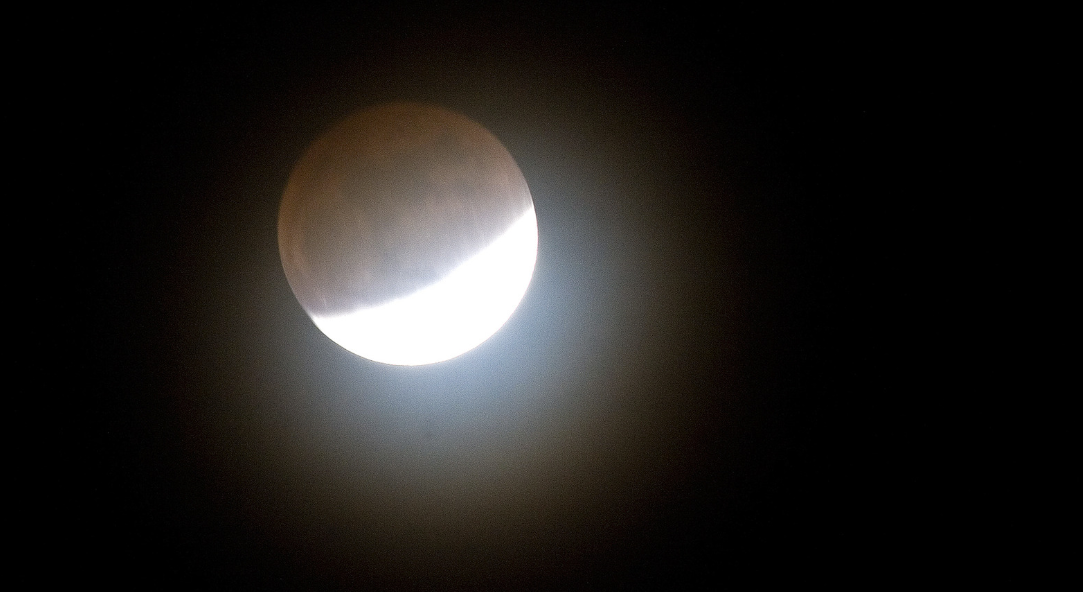
Cover: eclipse-themed artwork, not evidence of spiritual energy or a promised transformation.
Eclipses and moon phases can be meaningful occasions for reflection. “Harnessing power” here means choosing attention and practical action, not controlling celestial energy. A ritual cannot guarantee a promotion, healing, a relationship change or the manifestation of an intention.
Quick Guide
- Separate astronomical shadow events from optional spiritual interpretations.
- Choose a simple, fire-free practice at home or in the yard.
- Keep goals realistic and revise them using actual feedback.
- Never let meditation override solar-viewing safety.
What an eclipse actually is
NASA’s eclipse explanation distinguishes a solar eclipse, when the Moon blocks the Sun from view, from a lunar eclipse, when Earth’s shadow falls on the Moon. Lunar eclipses occur at full Moon; solar eclipses occur at new Moon. The Moon’s tilted orbit is why these events do not happen every month.
These alignments do not disrupt a natural order or establish an omen. Symbolic readings of beginnings or release are interpretations, not astronomical mechanisms that force changes in someone’s life. This guide does not claim a single ancient or universal ritual tradition.
Solar viewing comes before any ritual
NASA’s viewing-safety guidance warns against looking at the bright Sun without proper solar-viewing protection. Ordinary sunglasses are not sufficient. Eclipse glasses must not be used to look through binoculars, cameras or telescopes; optics require appropriate front-mounted solar filters and expert guidance. Partial and annular eclipses have no safe unprotected viewing interval.
The simplest reflection option is indoors without watching the Sun. If you observe an eclipse, follow the full safety guidance for the event rather than this article as an equipment checklist. A spiritual intention does not protect eyesight.
Three grounded choices
Notice
Write what is happening now, including uncertainty. An intense feeling does not prove an eclipse caused it.
Choose
Select one small, affordable action within your control. No ceremonial purchase is required.
Review
Check what actually changed later. Record contradictions as well as encouraging coincidences.
A fire-free new-Moon reflection
- Find a comfortable home-desk or yard seat. Use ordinary lighting instead of candles or incense.
- Write one intention as a practical question: “What small step can I try?”
- List resources, limits and information still needed.
- Choose a realistic review date and allow the plan to change.
This is an optional routine, not a technique for charging intentions. You do not need to trust that the universe will deliver the desired outcome. The grounded intuition-practices guide also treats spiritual prompts as reflection rather than proof.
A full-Moon or lunar-eclipse review
Use a notebook to ask what you want to continue, adjust or set aside. Keep the page, cross out a sentence or recycle it instead of burning it. Smoke, essential oils, sage, palo santo and sound practices are not necessary to remove an alleged negative energy.
Choose how much emotional reflection feels manageable. You do not have to relive distress, forgive someone or end a relationship during an eclipse. If reflection becomes uncomfortable, stop and return to ordinary activities. A ritual is not mental-health treatment or a substitute for suitable support.
Moon phases as a personal calendar
You may choose new Moon for planning, waxing phases for practice, full Moon for reviewing and waning phases for simplifying. These are optional scheduling metaphors, not phases with proven powers to enhance goals. The Moon does not physically shrink during waning phases; the visible sunlit portion changes.
If the schedule does not suit your work, sleep or responsibilities, choose another day. Clouds or a missed eclipse do not make reflection ineffective. For checking an astronomical table rather than interpreting a mood, see the ephemeris-reading guide.
Turn intentions into an honest experiment
As an invented example, someone might write “Spend ten minutes organizing one project note this week.” They can later check whether they did it and whether it helped. That is not a testimonial, evidence of a cosmic cause or a promise of career success.
Track actions, circumstances and outcomes without treating a coincidence as confirmation. High-stakes health, safety, financial and legal decisions need appropriate evidence and qualified help, not an eclipse deadline. No ritual obligates another person to return, consent or reconcile.
Key Takeaways
- Eclipses are shadow events; spiritual meanings are optional interpretations.
- Reflect simply without flames, smoke or ceremonial spending.
- Personal change is not guaranteed by timing or intention.
- Solar-viewing protection remains essential regardless of a ritual.
Frequently Asked Questions
What causes a solar or lunar eclipse?
In a solar eclipse, the Moon blocks the Sun from view. In a lunar eclipse, Earth’s shadow falls on the Moon. These are astronomical shadow events, not evidence that a personal outcome is destined.
Do eclipses amplify intentions or guarantee manifestation?
No reliable outcome can be promised from an eclipse ritual. Treat intention setting as optional reflection and follow it with practical actions, feedback and realistic limits.
Must I burn paper or use incense for a moon ritual?
No. A notebook, quiet pause or simple tidying activity is enough. Avoid flames, smoke, purchases and practices that are uncomfortable or inaccessible.
Can I look at a solar eclipse during meditation?
Do not look at the bright Sun without proper solar-viewing protection. Ordinary sunglasses are not sufficient. Follow NASA’s eclipse safety guidance or reflect indoors without observing the Sun.