

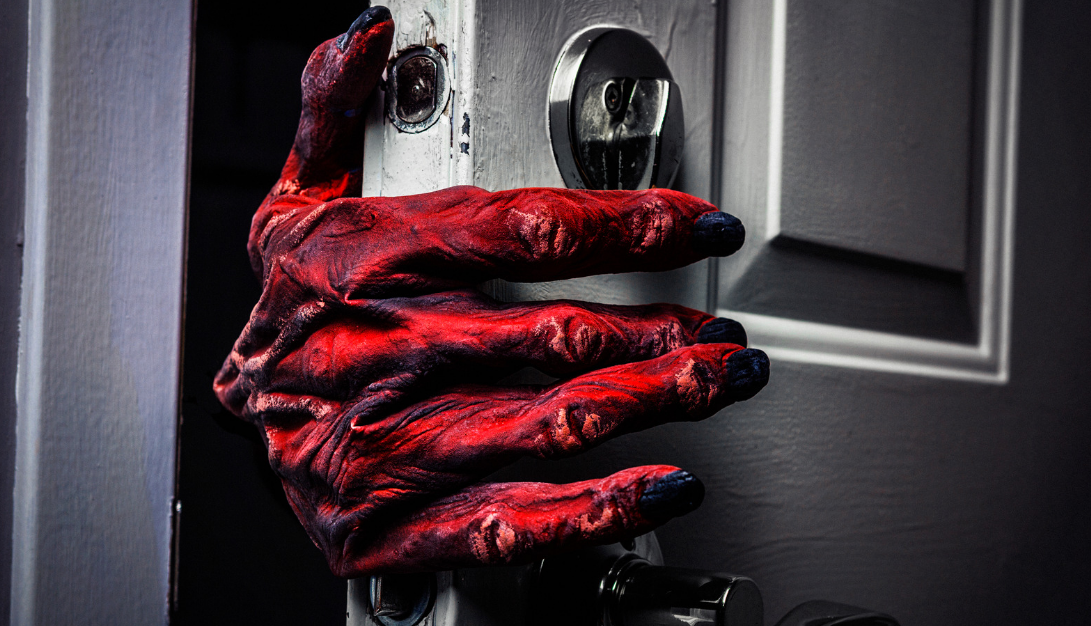
Movie monsters and zodiac signs can be combined as a playful costume or storytelling game. The matches below are invented editorial choices, not a test of personality or an official astrological correspondence.
No sign makes someone evil, dangerous, unstable, manipulative or supernatural. “Dark side” here refers to fictional atmosphere, not a verdict about a real person. Pick a different creature or skip the game if a theme feels uncomfortable.
Quick Guide
- Treat each match as optional entertainment.
- Separate fictional character behaviour from real-world permission.
- Do not diagnose people or claim magical abilities from a sign.
- Keep costumes, games and participation freely chosen.
Three ways to use the list
Costume
Choose an affordable colour, mask or accessory by your own taste. You do not need to imitate a particular actor or film.
Story
Use the creature as a fictional plot prompt. Character actions are not instructions for how to treat people.
Discussion
Ask which atmosphere someone enjoys. A different answer does not mean they misunderstand their zodiac sign.
Twelve invented monster matches
Aries: The Devil
A bold costume concept with fiery colours and theatrical confidence. Keep the drama on screen or in consensual play; ambition does not justify trickery or crossing boundaries.
Taurus: The Zombie
A slow-motion creature for an intentionally exaggerated scene. This is not a claim about appetite or persistence, and pursuing a person after a no is not admirable determination.
Gemini: The Werewolf
A transformation motif for changing costumes or story perspectives. It is not evidence of multiple personalities, instability or unpredictable character.
Cancer: The Ghost
A nostalgic setting, an old photograph or a memory-themed story can fit this creative prompt. It does not imply someone cannot move on or is literally haunted.
Leo: The Vampire
A dramatic entrance and striking costume make an optional performance idea. Charm does not establish attraction, leadership or permission to influence someone.
Virgo: The Mummy
Layers, archives and a carefully arranged set offer a visual theme. Do not turn fictional mummy imagery into claims about real cultures, hidden intelligence or a person’s need for control.
Libra: The Witch
A playful balance of colours or a magical fictional setting can suit the prompt. Movie witch imagery is not a description of real spiritual practitioners or proof that someone casts spells.
Scorpio: The Dark Sorcerer
A mystery-themed fictional character can work as a storytelling choice. It does not establish dark powers, manipulation or a person’s motives.
Sagittarius: The Mad Scientist
An imaginary experiment or invention offers a comic story hook. This trope is not a diagnosis, a description of real scientists or permission to take unsafe risks.
Capricorn: The Headless Horseman
A determined fictional quest can shape a spooky plot. Relentlessness is a story device, not a claim that a real person must pursue a goal at any cost.
Aquarius: The Alien
An unfamiliar viewpoint or imaginative setting offers a creative angle. Nobody is literally otherworldly because of a sign, and unusual ideas do not automatically establish genius.
Pisces: The Phantom of the Opera
Music, masks and theatrical atmosphere offer an optional aesthetic. Unrequited love does not justify stalking or pressure, and a sign does not reveal someone’s soul.
Turn a creature match into an original three-scene story
Nora’s library ghost wants a book put back
Nora is a fictional writer choosing the ghost prompt listed under Cancer. She could choose any sign’s creature. Her aim is a short, gently uncanny story, not a description of a Cancer person or a retelling of an existing film. She needs a creature, a setting and one small unresolved problem.
- Opening image. In an imagined library at closing time, a book returns to the desk with a catalogue card dated “tomorrow.” The room is quiet; a pale figure points toward an empty space on a shelf. Nora has introduced a question without needing a violent scene.
- A choice in the middle. The fictional librarian finds a note saying the book was shelved under the wrong title. The figure waits rather than chases anyone. The librarian chooses to check the catalogue and return the volume to its place. The tension comes from an odd task and an unanswered question.
- An ending that changes the atmosphere. A fresh card appears with “Thank you” written on it, and the figure is gone. Nora can leave the cause unexplained. For a comic alternative, the ghost returns because it has also misplaced its reading glasses. Either ending is an invented story choice, not evidence of a haunting.
What this means: a creature can supply atmosphere without turning into a personality label. Changing the setting, the problem or the ending changes the story. Nothing in the exercise requires a film character’s biography, an actor’s appearance or a supposedly authentic zodiac match.
Next step: write one sentence for an opening, one for a choice and one for an ending. Then change a single detail and see which version you prefer. You may keep it funny, leave out scary elements or stop; a completed story and a public performance are optional.
Horror, fantasy and playful atmosphere
Not every creature or story associated with a monster belongs to the same genre. This list uses broad fictional archetypes rather than asserting specific film histories, release dates or authoritative character analyses. A witch, alien or scientist need not be villainous.
The all-sign humour guide is another playful set of prompts rather than a scientific ranking. You can enjoy either activity without treating it as a test of who you are.
Fiction is not an excuse for harm
Do not romanticize relentless pursuit, loyalty tests, manipulation or boundary-crossing as proof of passion. People can enjoy scary fiction while rejecting those actions in real life. A costume or character does not establish another person’s interest or consent.
The relationship-labels and limits guide separates worth, compatibility and accountable behaviour. Nobody becomes less lovable because a spooky list assigns them a particular creature.
If you choose an actual film rather than a writing prompt, check its age rating and content advice before making a group plan. The BBFC’s age-rating guide explains its UK categories and points viewers toward film-specific content advice. Use the appropriate source for your location; a creature name or this zodiac list does not tell you whether a particular film suits someone’s comfort.
Keep the activity accessible and optional
A paper story prompt or simple home activity can be enough. Ask about comfort with scary themes rather than assuming everyone wants horror, costumes or a group game. Participation can stop or change without pressure.
The useful outcome is creativity or conversation, not revelation of hidden powers or a supposedly true personality. You are allowed to find the pairing funny, inaccurate or irrelevant.
Key Takeaways
- These twelve matches are invented, optional entertainment.
- No sign establishes evil, instability or supernatural ability.
- Fictional persistence and intensity do not justify unwanted behaviour.
- Choose by taste, comfort and freely chosen participation.
Frequently Asked Questions
1. Does a movie-monster pairing reveal my dark side?
No. These are invented entertainment pairings, not evidence of hidden traits, supernatural powers or character.
2. Can I choose a different monster than my sign’s match?
Yes. The list is an optional creative prompt, not a rule. Choose by your interests and comfort or skip the activity.
3. Does the werewolf pairing mean Gemini has multiple personalities?
No. A fictional transformation motif is not a mental-health diagnosis and should not be used to label a real person.
4. Is relentless pursuit romantic because of a monster archetype?
No. A fictional trope does not justify unwanted pursuit, stalking or pressure. Respect a person’s no and keep participation voluntary.