

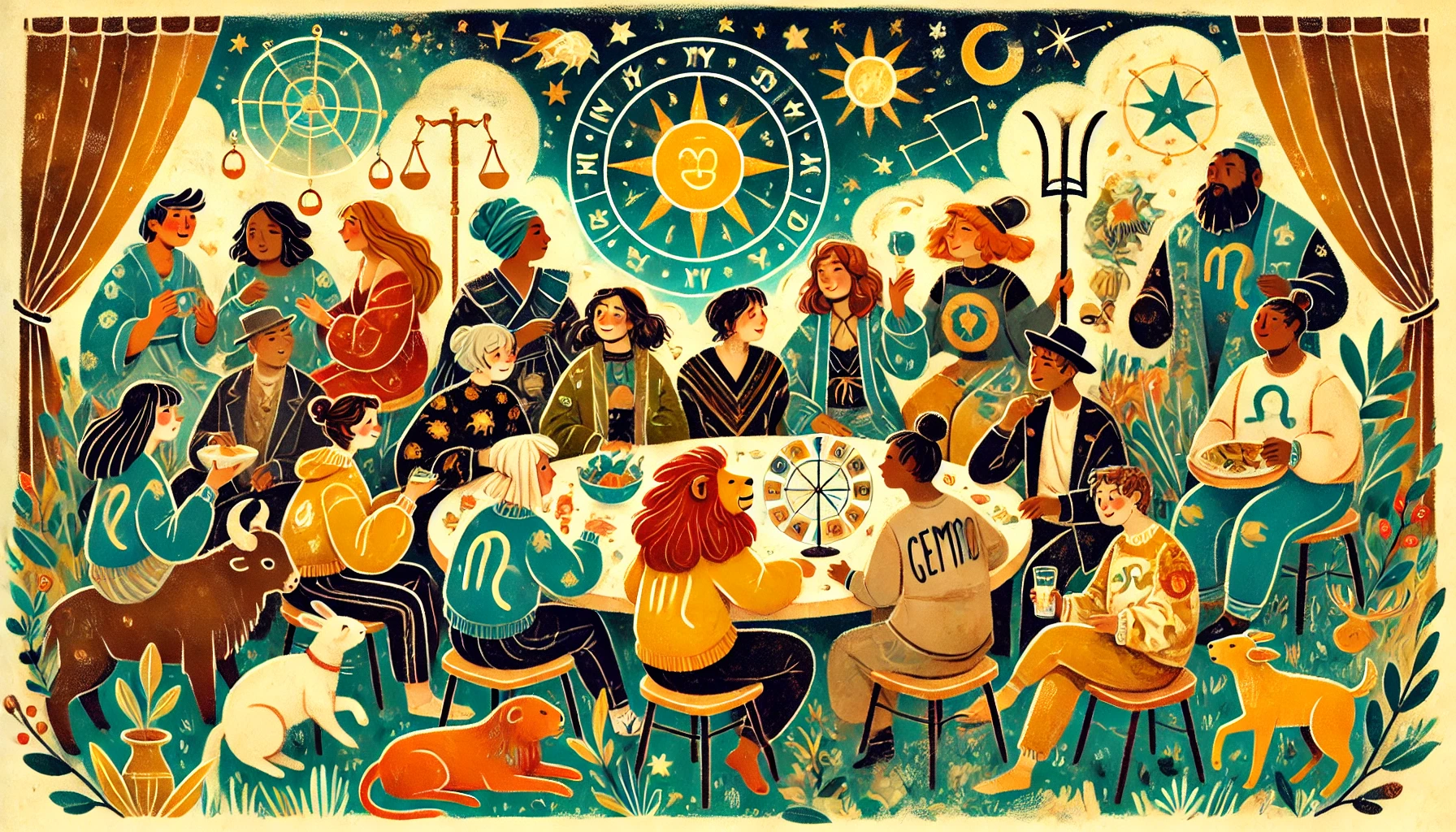
A zodiac sign does not prove that someone is a loyal friend. In everyday friendship, what matters is how you treat each other: keeping workable plans, asking before sharing private information and being honest about the help you can offer. You can enjoy zodiac symbolism while judging a friendship by the people and choices involved.
Quick Guide
- Notice what a friend actually agrees to and follows through on.
- Ask what help is welcome and realistically available.
- Respect privacy without promising secrecy regardless of safety.
- Allow independent friendships, limits and the choice to step back.
Loyalty without unlimited obligation
A useful friendship commitment might be “I will let you know if I cannot make our plan,” not “I will always be there no matter what.” Someone can be caring without lending money, taking every side or being constantly reachable.
Birth signs do not prove empathy, good judgment or protection from betrayal. Gifts, intensity and a long history also do not establish that a friendship is safe. Consider patterns of actual conduct without turning one disappointment into a fixed character verdict.
Three concrete commitments
Plans
What is agreed, and how will a change be communicated? Reliability needs workable expectations.
Privacy
What may be shared, with whom and in which setting? Ask rather than assuming permission.
Help
What support is wanted, and what can you realistically offer? An honest limit can be respectful.
Five optional themes, not the most loyal signs
Taurus, Cancer, Leo, Scorpio and Capricorn often appear in friendship-themed astrology. Use the five themes below to begin a conversation, not to sort people into reliable and unreliable groups. Choose any question that fits your situation, whether or not your Sun sign appears.
Taurus: dependable plans
If steadiness appeals, ask what a realistic check-in or shared routine looks like. Do not infer that someone will never leave or that remaining through harm is a virtue.
Cancer: wanted care
Ask whether listening, company, practical help or space would be useful. A friend is not expected to sense unspoken emotions. Nurturing symbolism does not assign the work of managing everyone’s feelings.
Leo: respectful celebration
Ask how someone would like an achievement acknowledged. Public praise, a surprise gathering or a social-media post may not be welcome. Appreciation does not require publicity or repayment through constant attention.
Scorpio: information and trust
Ask permission before passing on personal information. Do not assume permanent secrecy from Scorpio symbolism or encourage someone to prove loyalty through risky disclosure. Being selective about friendship is not evidence that betrayal is impossible.
Capricorn: manageable practical support
If practical help is wanted, agree on the task, time and limits. A person’s schedule, resources and skills matter more than a sign. A friend is not automatically qualified to advise on a major health, legal or financial decision.
Boundaries apply to friends too
The love is respect boundaries guide applies to friendships as well as other relationships. It explains emotional, physical and digital limits, asking when uncertain and changing boundaries freely. A healthy boundary protects you rather than controls someone else.
Do not demand passwords, exclusive access to a friend or the abandonment of other relationships as proof of loyalty. Respect a refusal to disclose, lend money or provide help. Neither a gift nor past support creates entitlement to those things.
Privacy is not an absolute safety promise
Avoid “I will never tell anyone under any circumstances.” Discuss ordinary privacy clearly, but do not make secrecy a condition of responding to a serious safety concern. Appropriate support may be needed; a zodiac sign cannot assess risk or make qualified help unnecessary.
Do not share a friend’s story casually to recruit allies or punish them. If support is needed, consider carefully what information is necessary rather than treating unrestricted disclosure as loyalty.
A canceled plan: turn disappointment into a clear request
Suppose you agreed to meet for coffee on Saturday, but your friend cancels on Friday. That one event tells you that the plan changed. It does not explain the reason or settle the entire friendship.
- Name the actual agreement. Was the date confirmed, or had you only suggested getting together? Separate a missed commitment from a plan that was never agreed.
- Say what affected you. For example: “I had set that morning aside, so I’m disappointed.” Describe the situation without assigning a motive or blaming a sign.
- Make one manageable request. “Could we choose another day, or leave it until next week?” Give the other person room to answer honestly.
- Look at the response and the pattern. A thoughtful explanation and a workable new plan differ from repeatedly ignoring an agreement. Decide what amount of planning works for you now.
If you are the person canceling, a useful message might be: “I can’t make Saturday. I’m sorry for changing our confirmed plan. I can offer Wednesday evening, but I understand if that does not work.” Offer only what you can follow through on.
Disagreement and repair
A friend can disagree without betraying you. Automatic agreement, defending every action or retaliating against a third person is not the only way to show care.
When a commitment is broken, the accountable-apology guide focuses on acknowledgment, responsibility and changed conduct rather than astrological excuses. You may accept an apology without restoring the same closeness.
The guide rejecting “unlovable sign” labels also keeps personal worth separate from a zodiac stereotype. A friendship ending is not proof that either person’s sign makes them unworthy.
Ask what kind of support is wanted
Advice, company and practical help are different offers. Before jumping in, try: “Would feedback help, or would you rather I listen?” This question gives your friend a choice instead of making help depend on your preferred way of giving it.
Be equally specific about capacity. “I can talk for twenty minutes tonight” is clearer than promising to answer at any hour. A gift, a birthday or a long friendship does not turn either person into an unlimited source of attention, money or reassurance.
A simple home or yard conversation
At an ordinary home table or comfortable yard seat, each person can describe one manageable commitment, one privacy preference and one limit. Compare actual answers without ranking signs. For example, ask “Could you help for an hour Saturday?” rather than “A loyal friend would do whatever I need.”
After the conversation, notice what actually happens and allow expectations to change. Friendship remains a choice, and a compatibility label does not require staying through pressure or harm.
Key Takeaways
- No sign guarantees lifelong loyalty or secrecy.
- Concrete agreements are more useful than unlimited promises.
- Care can include honest limits and respectful disagreement.
- Safety and freely chosen friendship come before symbolic rankings.
Frequently asked questions
1. Which zodiac sign is proven to make the most loyal friend?
No Sun sign establishes trustworthiness or lifelong friendship. Use a zodiac theme as a conversation prompt, then consider actual agreements, choices and conduct.
2. Do loyal friends have to be available all the time?
No. A realistic limit on time, money or emotional support does not by itself make someone disloyal. Discuss what each person can offer.
3. Does loyalty mean keeping every secret regardless of safety?
No. Do not promise absolute secrecy about a serious safety concern. Privacy matters, but appropriate help may be needed.
4. Can I step back from a friendship despite its zodiac match?
Yes. Friendship remains a choice. A symbolic match or past support does not require accepting pressure, harm or repeated broken agreements.
5. Do gifts prove that someone can be trusted?
No. A gift does not establish future conduct or create a duty to share private information, lend money or accept unwanted contact.
6. Do I have to restore the same closeness after an apology?
No. You can acknowledge an apology while taking time, changing an agreement or choosing more distance. Notice whether the promised change actually happens.