

Address numerology is an optional symbolic practice, not a method for determining a property’s safety, value or suitability. A digit sum does not establish that a home will bring wealth, romance, loneliness or depression.
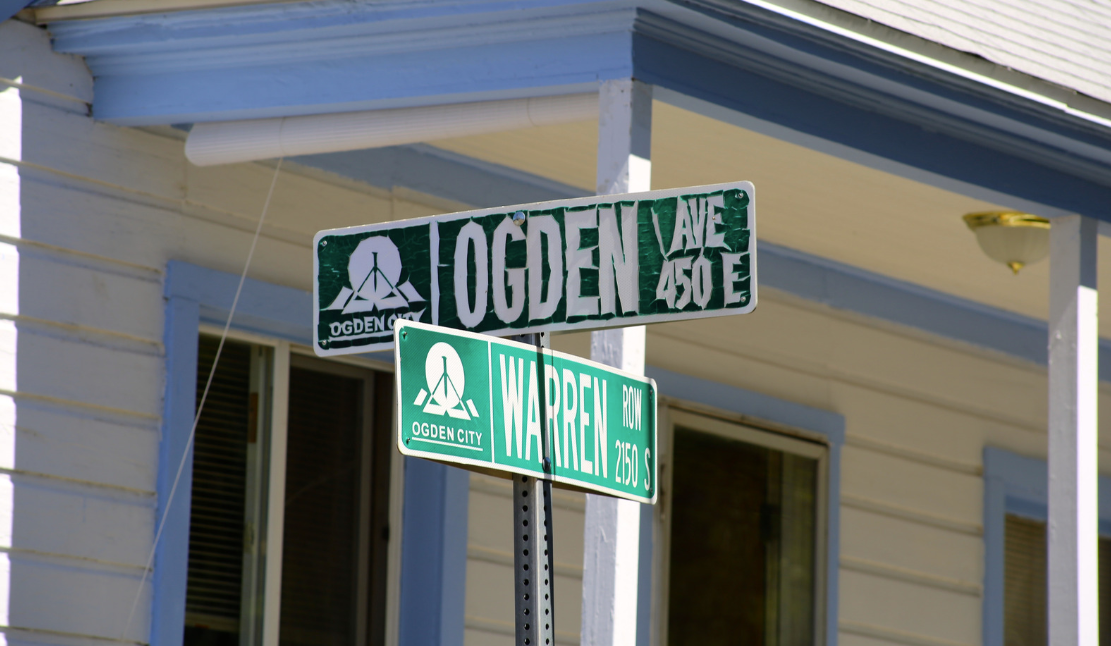
This article focuses on a stated calculation convention and optional household questions—not finding a destined home or matching a property to a life-path number. The cover shows street signs as an illustration, not a recommendation for that location.
Quick Guide
- State which digits your chosen convention includes.
- Use a fictional number rather than publishing a private address.
- Keep correct arithmetic separate from symbolic interpretation.
- Make property decisions through practical checks, not number rankings.
Chosen convention, optional prompt, practical checks
Chosen convention
Specify the input before adding. Different symbolic rules need not produce the same result.
Optional prompt
A number can label a notebook question. It does not cause an outcome.
Practical checks
Compare actual needs and costs. A symbolic result is not a property assessment.
A fictional calculation: 1815
For this example only, include the digits of the building number and repeatedly add until one digit remains:
- Start with the fictional number 1815.
- Add 1+8+1+5=15.
- Reduce 15 by adding 1+5=6.
The result is six under that convention. The arithmetic is reproducible; claims about an address’s invisible energy do not follow from the sum. This guide to life-path arithmetic and optional symbolism also distinguishes a calculation from a prediction.
Units, letters and fractions
This example uses building-number digits only. It does not set a universal rule for apartment numbers, street names, letters, master numbers or fractions. If using another symbolic framework, identify its convention rather than presenting a different result as an error in your life.
A label containing ½ or ¼ does not establish cooperative residents, responsibility or a preference for noise. Do not invent a physical or psychological effect to resolve an ambiguous input. None of these choices requires changing an official address or a legal document.
Nine optional household questions
These newly invented editorial prompts are not traditional number meanings, personality assessments or forecasts. Use any question at an ordinary home desk, regardless of the calculation—or skip them entirely.
Number 1: an optional question
What task would I like to make easier?
Number 2: an optional question
Is shared space arranged by actual agreement?
Number 3: an optional question
What affordable creative activity do I want?
Number 4: an optional question
Which recurring household task needs a plan?
Number 5: an optional question
What small change is practical rather than urgent?
Number 6: an optional question
Is any offered help wanted and voluntary?
Number 7: an optional question
What quiet time do I personally prefer?
Number 8: an optional question
What actual cost needs checking?
Number 9: an optional question
What contribution can I choose without overcommitting?
No fortunate or harmful address ranking
A one does not guarantee love, a two does not predict a rocky relationship, a five does not establish short residence, a seven does not cause loneliness and an eight does not promise money. No digit establishes children, luxury preferences, business unrest or a life purpose.
Do not blame distress on a home number or treat changing it as a mental-health remedy. Use appropriately qualified support for health concerns. A symbolic interpretation cannot diagnose depression or explain another person’s choices.
Practical suitability remains separate
This guide to practical living questions keeps optional symbolism separate from actual needs. Consider costs, condition, accessibility, location and relevant requirements before a purchase or lease. This article does not inspect a property or assess an individual contract.
The US Consumer Financial Protection Bureau’s mortgage-preparation guide recommends assessing finances, setting a budget and considering whether it is the right time to buy. It is a US mortgage resource, not a numerology endorsement or a procedure for every country. Obtain appropriate local advice when needed.
Keep an address private
A fictional number is sufficient for this exercise. Do not post a full home address, another person’s location, account details or identification documents to obtain a symbolic result. There is no requirement to pay for an energy adjustment or find a number-matched home.
Key Takeaways
- A stated convention makes a digit sum understandable.
- The fictional 1815 example reduces to six, not a prediction.
- Optional questions establish no causal property or health effects.
- Privacy and practical requirements take priority over symbolism.
Frequently asked questions
How does the fictional 1815 example reduce to six?
Under the chosen digit-sum convention, 1+8+1+5=15 and 1+5=6. Correct addition does not establish a home’s energy, personality or future.
Can an address number cause wealth, depression or relationship outcomes?
This guide establishes none of those effects. A symbolic number is not a clinical assessment, investment signal or evidence about another person’s conduct.
Must I include a unit, letter or fraction in the calculation?
There is no universal rule presented here. State the convention you choose; this example uses building-number digits only. Fractions or unit labels establish no personality or noise prediction.
Should I choose a property or share my real address for numerology?
No number should decide a purchase or lease. Consider actual costs, condition and requirements with appropriate advice. A fictional example is enough; you do not need to publish a private address.